

A Wealthy Couple Tried to Convince My 11-Year-Old Son Caleb Their House Was His Real Home - and Already Had Custody Paperwork Ready Before I Even Knew They Were Planning It.
The aftercare center called at 5:42 PM. A woman tried to pick up my son Caleb, claiming she had permission. When I arrived, custody paperwork was already drafted.
I work as a front desk coordinator at a physical therapy clinic, juggling scheduling, insurance calls, and patient intake on rotating hourly shifts, usually 9 a.m. to 6 p.m., which means most days I’m racing from work to aftercare pickup before they lock the doors.
The aftercare center called at 5:42 p.m. They asked if I was on my way. I said yes, I was two bus stops out. The director paused and told me to hurry but not panic. That phrasing doesn’t exist unless something already went wrong.
She said another woman had tried to pick up my son Caleb. She said the woman insisted she had permission. She said staff refused release and the woman didn’t leave when asked. By the time I reached the building, two staff members were standing outside with Caleb.
He was holding his backpack and staring at the pavement like he was waiting for instructions. The woman was gone. I raised Caleb alone from birth. His father signed paperwork early and disappeared before Caleb learned how to walk.
Since then it’s been rent, childcare, grocery lists, and overtime shifts stitched together just tightly enough to stay stable. We lived in a one-bedroom apartment. I slept in the living room. Caleb had the bedroom. It wasn’t fancy but it was ours and consistent.
When Caleb entered elementary school, he became close with a classmate named Oliver Whitmore. Oliver’s parents, Daniel and Meredith Whitmore, had money in ways I didn’t understand. Large house, travel photos, private sports leagues, birthday parties that looked like corporate events.
They started by offering rides home when I worked late. Then weekend playdates. Then overnight stays framed as convenience. At first it looked generous. Then it became routine. I didn’t realize Daniel and Meredith Whitmore were positioning themselves as Caleb’s second family until he started calling their guest bedroom “my other room.”

Daniel and Meredith paid for trips I couldn’t afford. Summer camps. Theme park passes. Winter ski vacations. Every offer came wrapped in reassurance that I shouldn’t feel pressure to reciprocate. They told me they loved having Caleb around. They told me he fit naturally into their household.
They learned his favorite foods. They enrolled him in extracurriculars that required weekend stays. Their house slowly became where Caleb spent school breaks and long holidays. I didn’t have extended family.
No backup childcare. Losing their help would mean adjusting work hours, aftercare schedules, and income stability. Accepting their help meant allowing Caleb to grow attached to a lifestyle I couldn’t match.
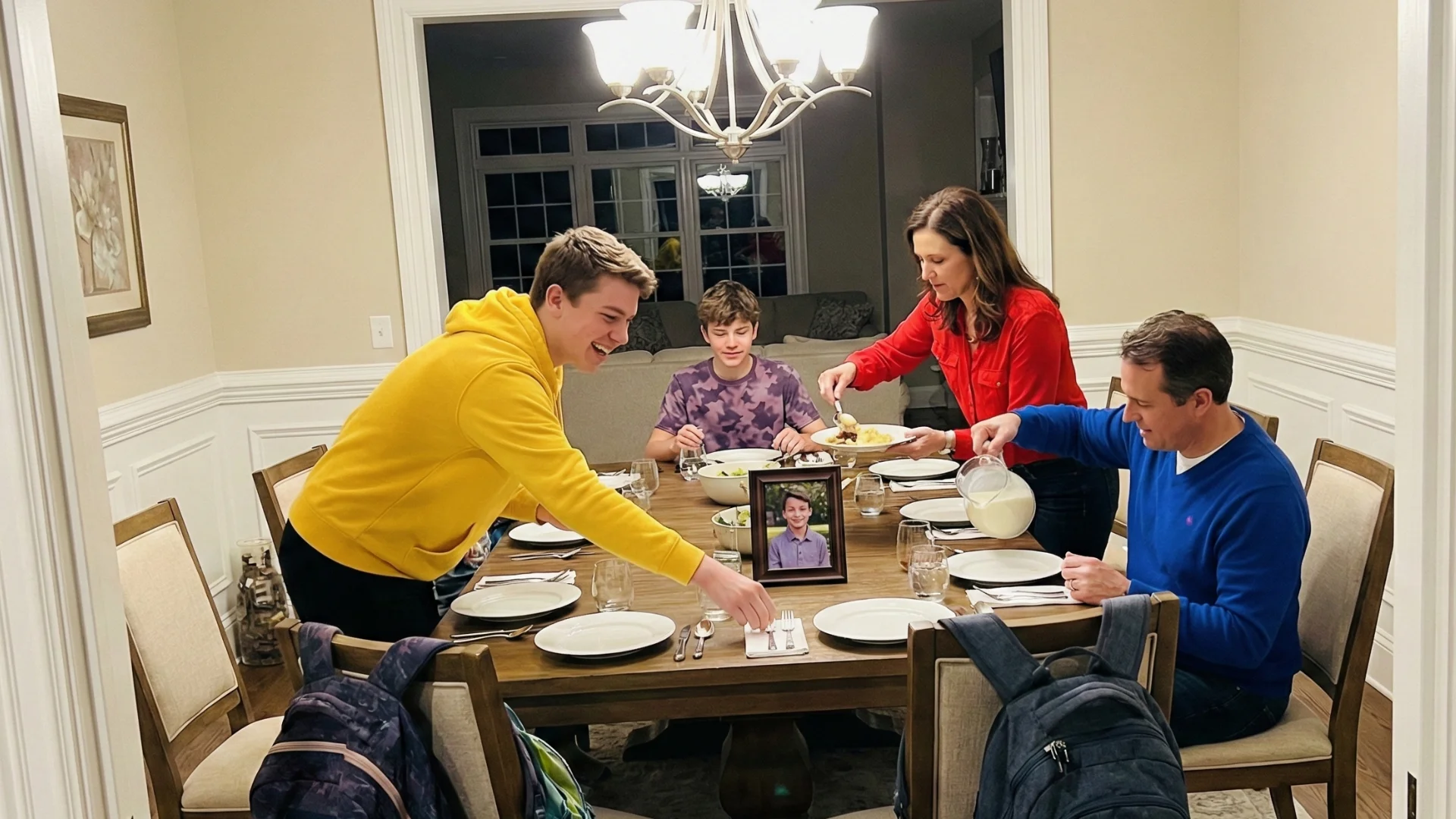
Caleb began comparing homes out loud. He said the Whitmore house had a game room. He said dinners there happened at a table big enough for eight people. He started packing overnight bags without asking if he was invited first. That shift didn’t happen suddenly. It built over months.
Daniel and Meredith invited me to dinner one Friday. They sat across from me at their dining table while Oliver and Caleb played upstairs. They said they wanted to discuss long-term planning. They used the phrase “stability opportunity.”
They suggested that Caleb would benefit from living with them during the school year. They said it would reduce transportation stress and improve academic consistency. They called it “what’s best for him.” They did not call it custody.


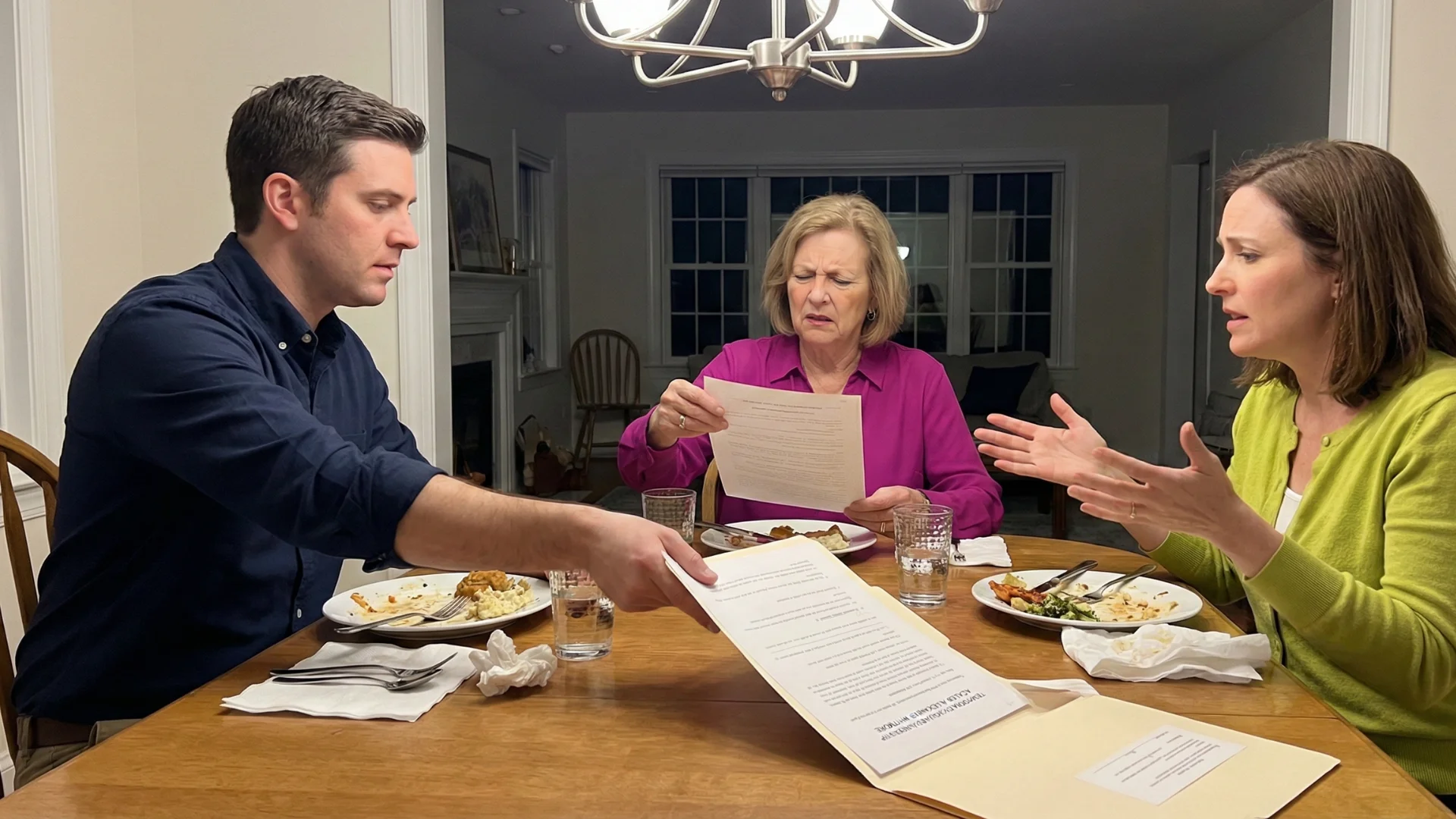
Two days later Daniel Whitmore sent a follow-up email. It included a draft guardianship outline. Caleb’s full legal name appeared in the document. It listed schooling responsibilities, healthcare coordination, and residence address — their address. They wrote: “We’ve spoken with a family attorney about structuring this safely and respectfully.
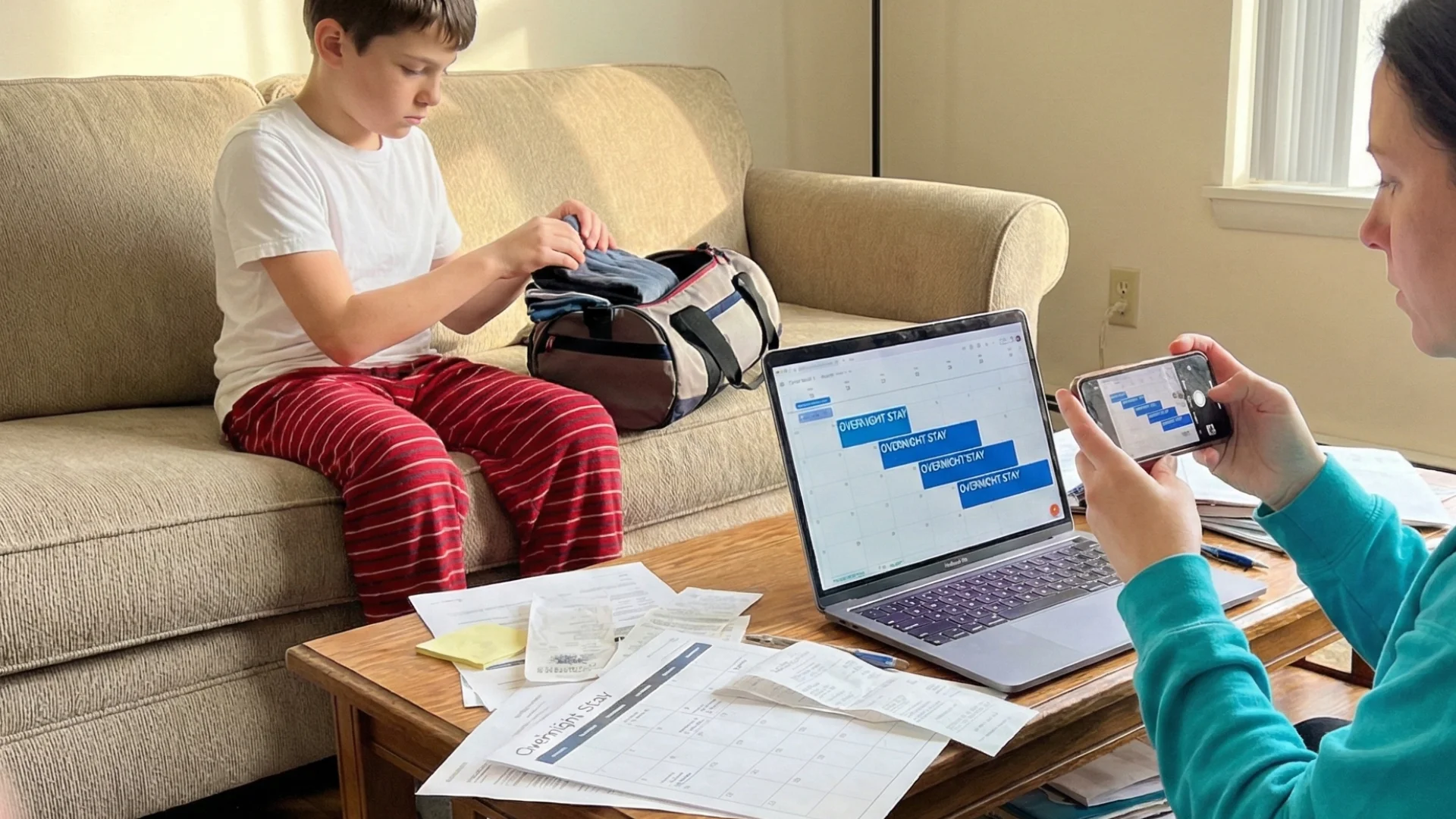
This is only a draft to start discussion.” I reread the document six times. The timeline section included a proposed transfer date two months away. The language assumed cooperation. I started reviewing patterns. Calendar entries showing Caleb’s extended stays slowly increasing from one night to five nights.
Receipts showing Daniel and Meredith purchased clothing for him and stored it permanently at their house. Photos from their social media labeling Caleb as part of the “family vacation crew.” Messages from Meredith Whitmore asking teachers to copy her on school updates. I archived everything.
When I refused the proposal, Daniel and Meredith shifted tone immediately. They said they misunderstood my comfort level. They said they were only trying to help. They said my reaction might confuse Caleb. They suggested I reconsider after thinking about his future opportunities. Every message positioned my refusal as emotional rather than protective.
Parents from school began contacting me. They said the Whitmores were known for helping kids succeed. They said I might be limiting Caleb’s potential. One teacher casually mentioned how happy Caleb looked during activities funded by the Whitmore donations.
Conversations stopped focusing on my authority as his parent. They focused on advantages Caleb might lose. Daniel and Meredith increased school volunteering. They funded equipment for the sports program. They sponsored classroom events.
They hosted fundraising auctions. Their involvement gave them access to spaces where Caleb spent time daily. Their reputation inside the school grew faster than my ability to explain boundaries. That was when I contacted administration and formally restricted pickup authorization.

Three weeks later, the aftercare incident happened. Staff told me Meredith Whitmore arrived with confident familiarity. She told them she was authorized. She used Caleb’s nickname correctly. She told them I was delayed. When staff refused release, she argued policy interpretation. She stayed long enough to require escalation to management.
By the time I arrived, she had already left. That night I emailed the school district, aftercare administration, and local authorities documenting the attempted pickup. I attached the guardianship draft.
I attached pickup authorization records. I requested written acknowledgment of custody boundaries. I removed Caleb from shared extracurricular programs funded by the Whitmores.
I stopped negotiating. I moved from explaining decisions to enforcing them through institutions. Daniel and Meredith didn’t contact me directly again. Instead, they increased school donations and appeared at volunteer events where Caleb previously participated. Teachers began reporting that the Whitmores asked about him casually during events.
I changed aftercare providers. I adjusted work shifts. My income dropped during the transition. Rent increased during the same period. Within four months, Caleb and I relocated to another city.
I transferred his school records and enrolled him in new programs under restricted release lists. We moved into another small apartment with the same layout as before: Caleb gets the bedroom, I take the couch.
You can see this in the series Unicorn, where a child slowly begins to see another room as his own while adults reshape what “home” means.
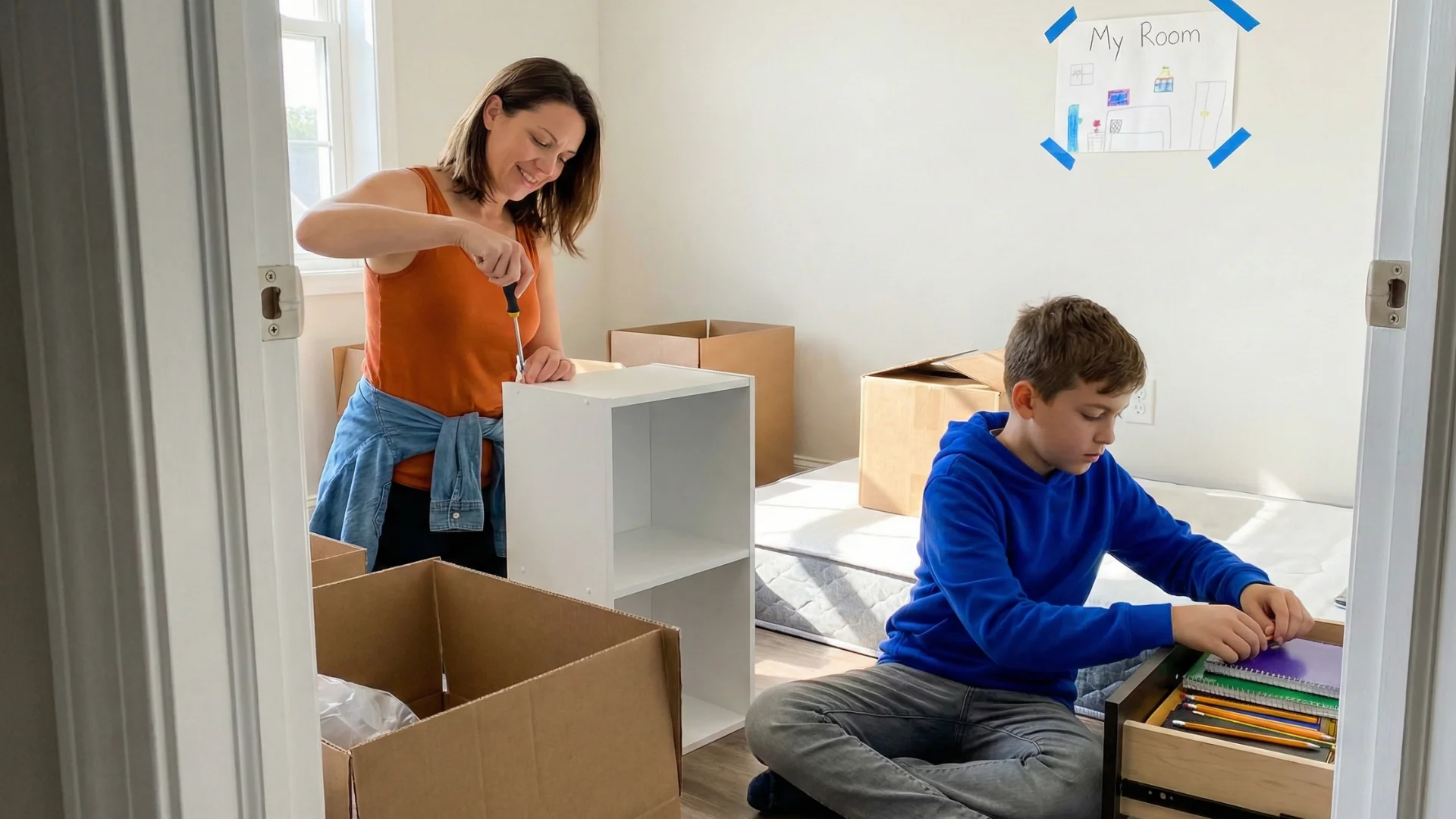
Caleb still asks why we left his friends and his old school. I explain safety using words that don’t sound dramatic. I avoid details he doesn’t need. Sometimes he asks if he did something wrong by liking their house. I tell him liking things isn’t the problem. Now Caleb is settled in a new school, new routines, new friends.
But I still wonder something I don’t say out loud. If I had waited longer…If I had tried to negotiate instead of leaving everything behind. Would I have protected him just the same—or would I have waited until paperwork decided where my son Caleb was allowed to call home?
Related Posts

The 4-Year Curse: My Son Finally Learned Why I Seemed Like a Strict Karen
My Son Called Me a Karen and Moved Out – 4 Years Later He Learned the Scary Reason I Was So Strict

I Thought My Wife Was Being Unfaithful. Then Her Cancer Doctor Called.
I Filed for Divorce After Finding Hotel Receipts and a Secret Phone – Then the Oncologist Looked at Me and Said My Partner Was Not Unfaithful, She Was Very Sick

I almost left the man who built my dream house
I Thought My Husband Was Seeing Someone Else for Months After Finding Hotel Receipts and Missing Money – When I Was Ready to Leave Him, He Took Me to a House I Never Knew Existed

My Wife Has Given a Dollar to Every Homeless Person She's Ever Passed — Last Week, a Lawyer Knocked on Our Door and Said She'd Inherited a Stranger's Entire Estate
Last Tuesday evening a lawyer stood on my porch and told me my wife of eleven years had just inherited an entire estate from a man who had passed away, someone we had never heard of. For one terrifying second I thought it was a scam, or worse — some kind of lawsuit we couldn’t afford. Then he said the man’s name: Walter Fitch. And my wife Renee started crying before she even opened the letter.