

I Became a Mom at 16 - Not Because I Had a Baby, but Because My Mother Walked Away from Hers.
At sixteen, I was raising four kids who weren't mine. My mother lived there too—she just wasn't doing any of it. Then came Liam's birthday.
When I was sixteen, I was responsible for 4 children who were not mine. I woke them up every morning, made breakfast, checked backpacks, and walked them to school. I cooked dinner every night and made sure they went to bed on time. My mother lived in the same house.
She just wasn’t doing any of it. There were five of us kids in total. I was the oldest. The youngest was three. Liam was nine. The others were seven and five. Our biological mother was alive and technically present, but she did not cook, clean, or manage school.
She went out most nights. Sometimes she didn’t come home at all. When she did, she locked her bedroom door. I handled school drop-offs, homework, meals, laundry, and bedtime routines. I forged my mother’s signature on school papers because someone had to. Teachers called me instead of her.
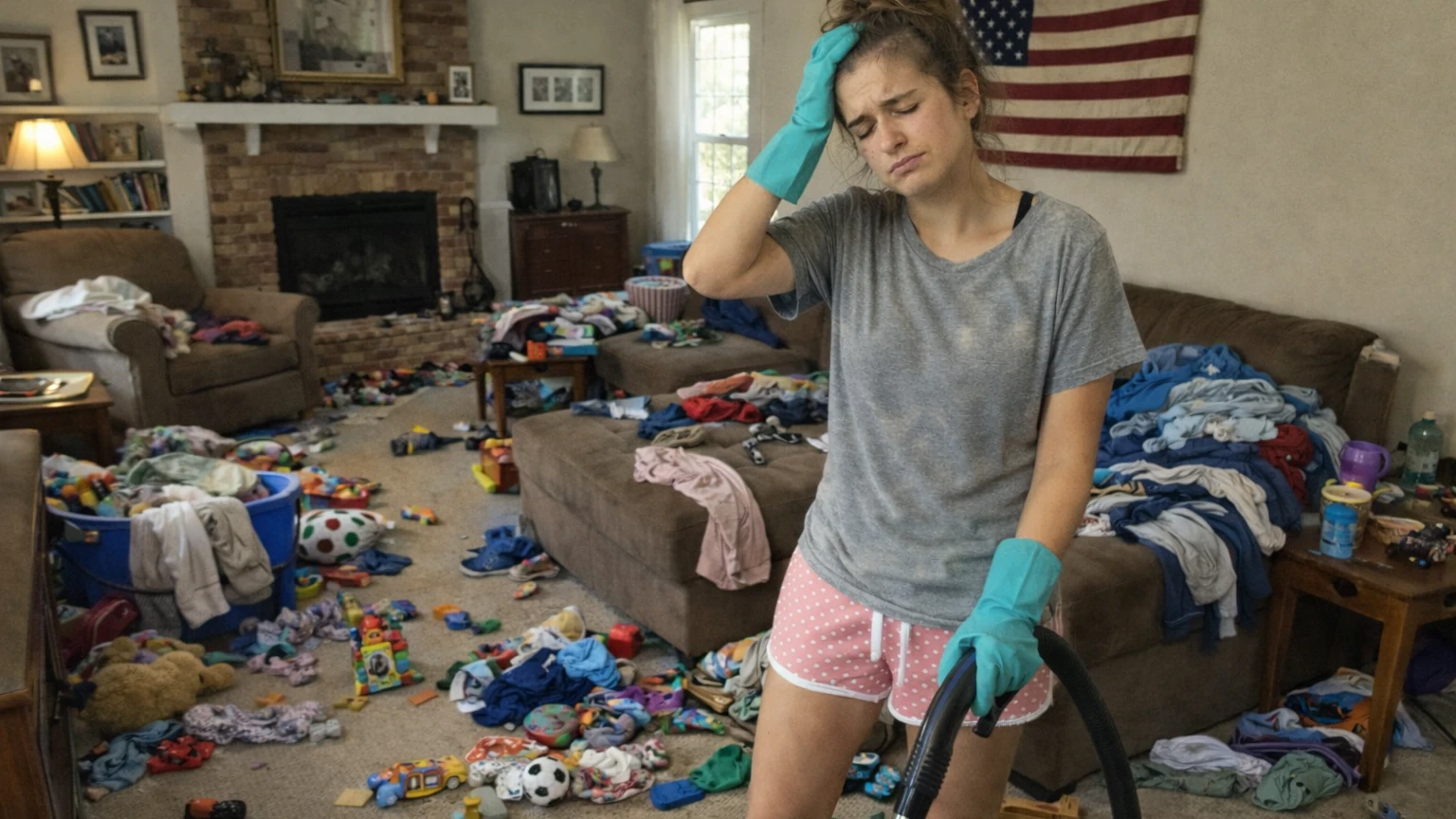
They thought I was just a “responsible older sister.” I was actually the parent. The moment that made it impossible to keep pretending came on my brother Liam’s birthday, when she did something no one expected…
Liam turned nine that year. He talked about it for weeks. He counted the days on the calendar. He asked what cake he would get. He asked if Mom would be home. I reminded her in the morning while she was putting on makeup. She nodded and said, “Later.”
All day, Liam waited. He sat on the couch with his shoes on. He checked the door every time a car passed. He asked me what time she would be back. I kept saying “soon” because I didn’t know what else to say.
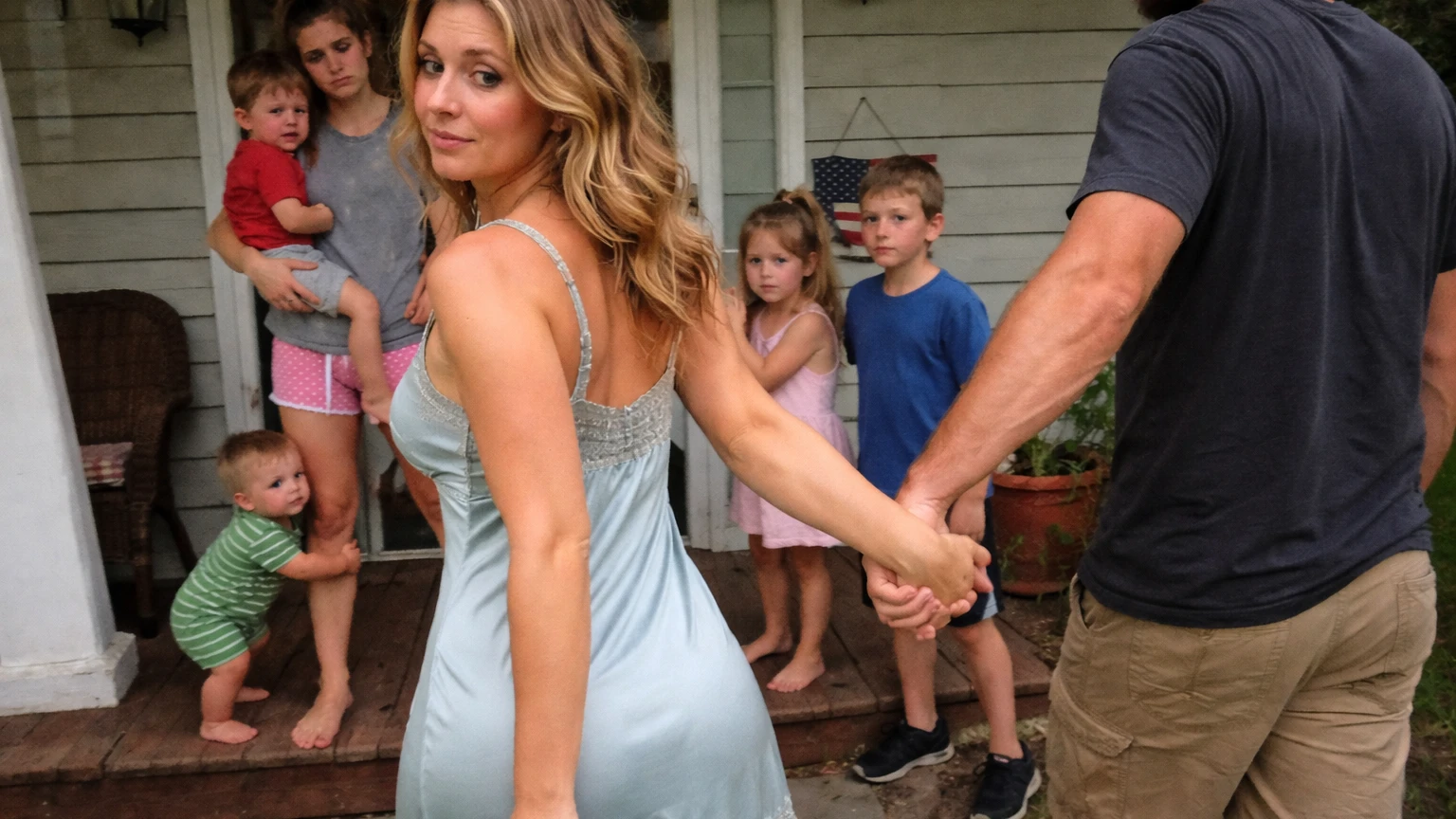
That evening, my mother came out of her room dressed to go out—with a new man. Again. She didn’t look at Liam. She didn’t say happy birthday. She didn’t even acknowledge that there were balloons taped to the wall that I had put up myself.
She grabbed her bag and left. Liam stood by the door. He waited until it was dark. I bought a cheap store cake with the last cash I had.
I lit the candles myself. We sang quietly so the neighbors wouldn’t hear. When he blew them out, he looked at me and asked, “Did Mom forget about me?” That was when I stopped believing things would change.
After that, everything felt heavier. I stopped going to school events because someone had to stay home with the kids. I stopped seeing friends because I couldn’t leave them alone. I canceled my own birthday plans without telling anyone. Teachers started calling me instead of my mother.


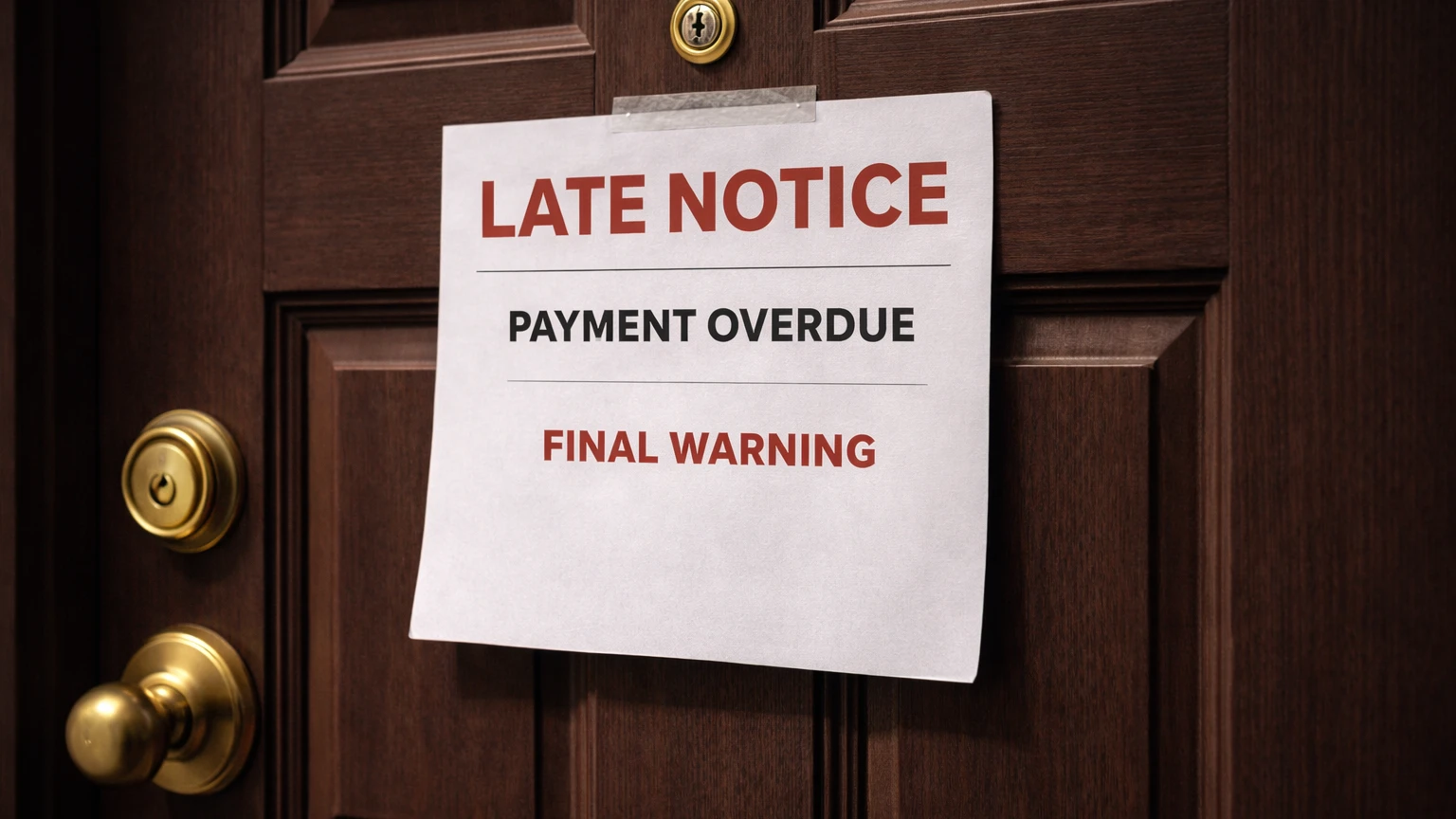
Doctors spoke to me directly. When one of my siblings got sick at night, I took their temperature, gave them medicine, and stayed awake with them because my mother didn’t answer her phone. Bills started arriving. Late notices. Warnings taped to the door.
I hid them so the younger kids wouldn’t see. I learned how to stretch groceries. I cooked the same meals over and over. Meanwhile, my mother came home with shopping bags and talked about parties.
Sometimes she promised things. She said she’d take care of it. She said she’d “do better.” The next night, she left again. I didn’t complain. I didn’t ask for help. I was afraid of what would happen if I did. I was afraid the kids would be taken away.
I was afraid of being blamed. I was afraid of breaking the only structure we had. So I kept covering for her. School scheduled a home visit for one of my younger brothers. I was supposed to tell my mother. But I forgot.
When the school staff arrived, the house was messy. Dishes in the sink. Toys on the floor. My mother wasn’t home. I was alone with all four kids.

They asked where our mother was. I didn’t lie. They asked how often I took care of my siblings. I answered honestly. They asked who cooked, who managed school, who took them to the doctor. I answered honestly again.
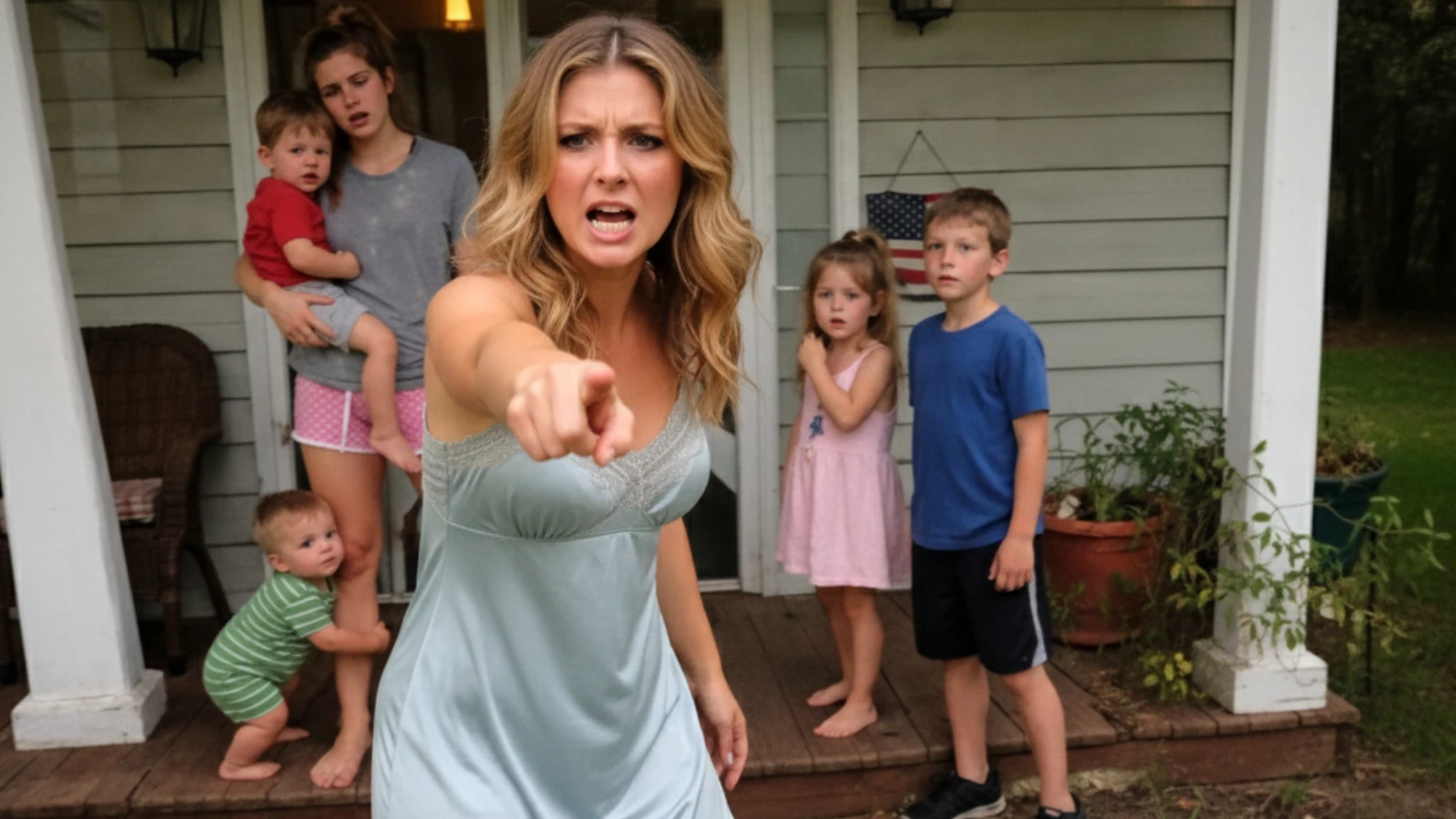
Then they asked my age. When I said sixteen, the tone changed. Child Protective Services were called. My mother came home furious. She yelled. She slammed doors. She said I ruined everything. She said I should have lied. She said I embarrassed her.
She told relatives I was dramatic and ungrateful. They called me and told me family problems stay private. No one asked why a teenager was raising four children.
You can see this in the series Unholy Vows, where the real situation is finally exposed after being hidden for too long.
When CPS interviewed me, I told the truth. Not out of anger, but because I was exhausted. I explained what a normal day looked like. I explained what nights were like. I explained who actually took care of the kids. That was the moment I stopped lying for her.
CPS documented everything. The school confirmed what they had seen. My mother denied responsibility and blamed me. She said I was controlling. She said I wanted attention. She said I was trying to play the victim. None of that changed the facts.
For the first time, adults saw what was actually happening. Not the story my mother told. The real situation. Some relatives stopped speaking to me. Everything became complicated.
Nothing was easy or clean.My siblings stayed close to me. They looked to me for comfort and answers. They already knew who took care of them.
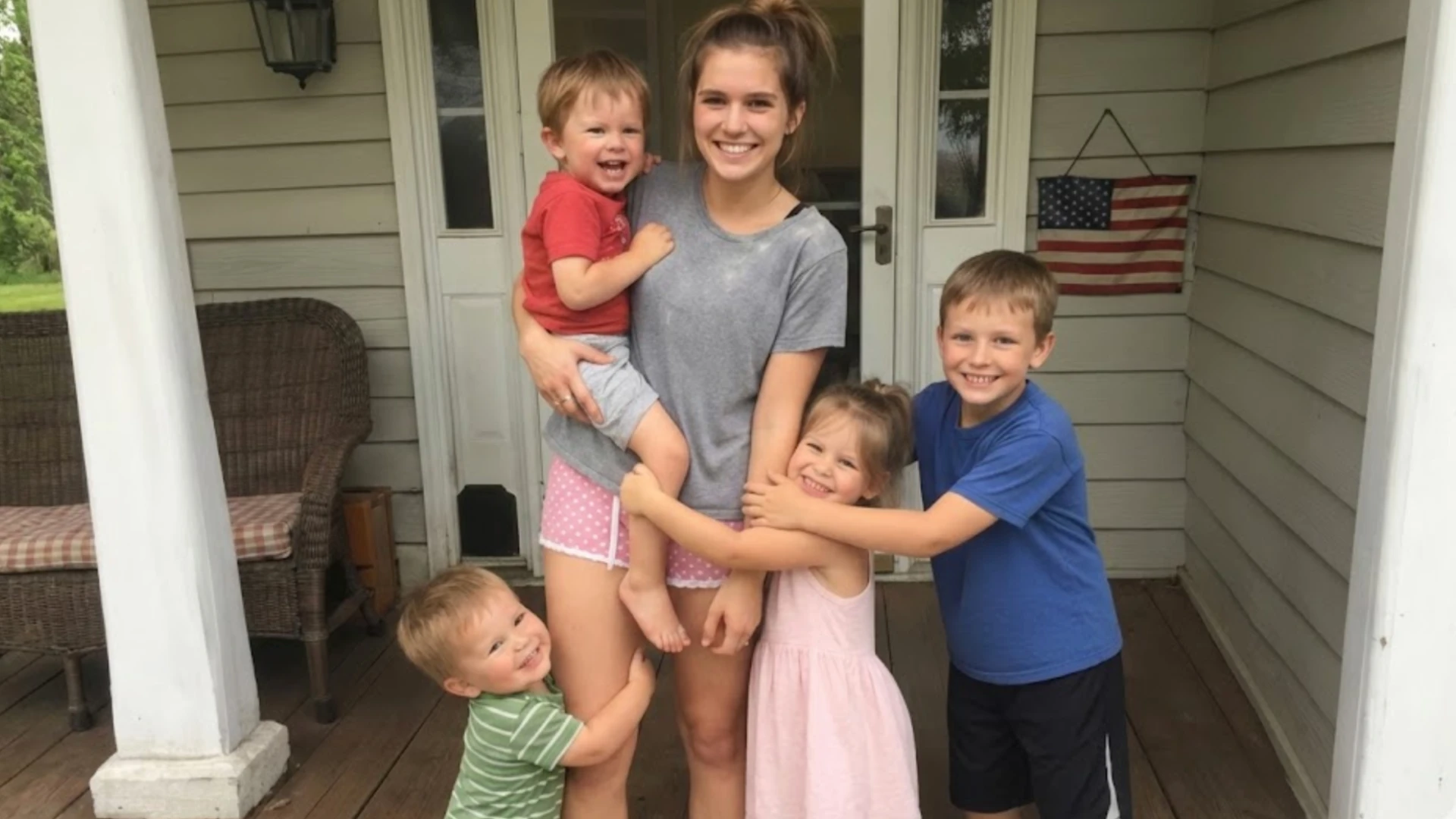
Sometimes I wonder if I waited too long to tell the truth. Then I remember Liam waiting by the door on his birthday. And I know silence was never going to save us.
Related Posts

The 4-Year Curse: My Son Finally Learned Why I Seemed Like a Strict Karen
My Son Called Me a Karen and Moved Out – 4 Years Later He Learned the Scary Reason I Was So Strict

I Thought My Wife Was Being Unfaithful. Then Her Cancer Doctor Called.
I Filed for Divorce After Finding Hotel Receipts and a Secret Phone – Then the Oncologist Looked at Me and Said My Partner Was Not Unfaithful, She Was Very Sick

I almost left the man who built my dream house
I Thought My Husband Was Seeing Someone Else for Months After Finding Hotel Receipts and Missing Money – When I Was Ready to Leave Him, He Took Me to a House I Never Knew Existed

My Wife Has Given a Dollar to Every Homeless Person She's Ever Passed — Last Week, a Lawyer Knocked on Our Door and Said She'd Inherited a Stranger's Entire Estate
Last Tuesday evening a lawyer stood on my porch and told me my wife of eleven years had just inherited an entire estate from a man who had passed away, someone we had never heard of. For one terrifying second I thought it was a scam, or worse — some kind of lawsuit we couldn’t afford. Then he said the man’s name: Walter Fitch. And my wife Renee started crying before she even opened the letter.