

My Husband Drained Our $60,000 Family Safety Net - for a Porsche He Bought His Girlfriend.
At the ER with my son Leo, the terminal beeped DECLINED. Our emergency account showed $14.22. Yesterday, David wired $60,000 to a Porsche dealership.
I stood at the admissions desk at Miami Valley ER when the hospital terminal beeped "DECLINED." My 8-year-old son, Leo, lay on a stretcher behind me, waiting for an urgent operation to set a serious fracture.
The clerk lowered her voice and asked for the $2,500 deductible upfront. I handed her our Chase Sapphire card. This is our "ironclad" account, funded monthly for six years specifically for housing and medical crises.
The machine beeped again: DECLINED. I told her to swipe it a third time, my voice cracking. DECLINED.
The ER was a blur of fluorescent lights and the rhythmic hum of monitors. The admissions clerk avoided my gaze, her silence louder than the chaos around us. I stood there, frozen by the gap between the life I thought I had and the reality displayed on that terminal.
David was a senior analyst who obsessed over every dollar, or so I believed. My son’s muffled whimpers were the only thing keeping me from collapsing. I opened the banking app on my phone, stepping away from the intake desk. I expected to see a balance of over $60,000.
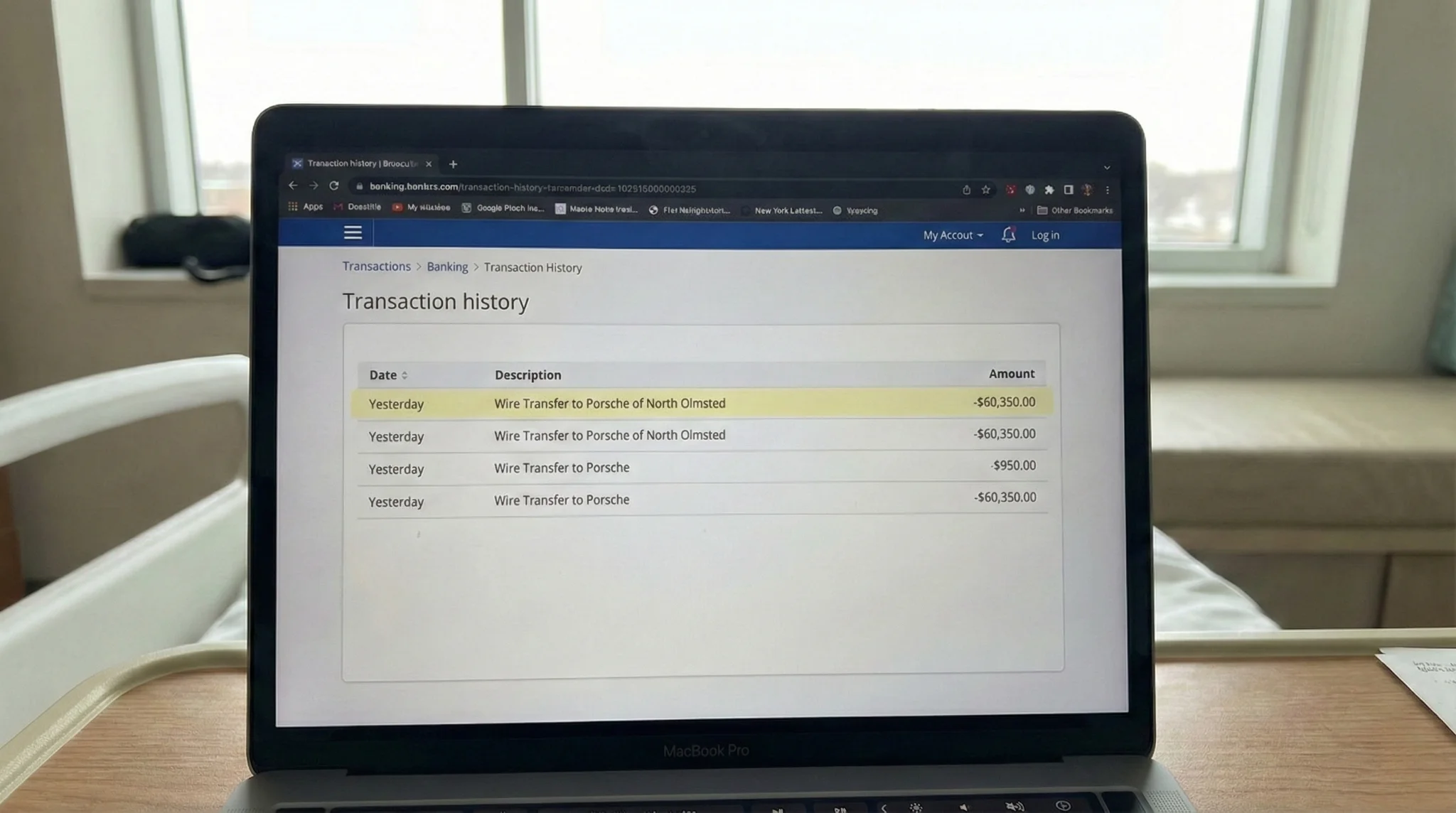
The screen refreshed. The Available Balance was: $14.22. I clicked "Recent Transactions." Yesterday, 2:00 PM: Wire Transfer OUT - $60,000. Recipient: Porsche of North Olmsted.
My husband told me he was in Chicago for a mandatory sales conference. He drives a 2018 Honda and frequently lectures me about financial responsibility. I called him immediately. Straight to voicemail.
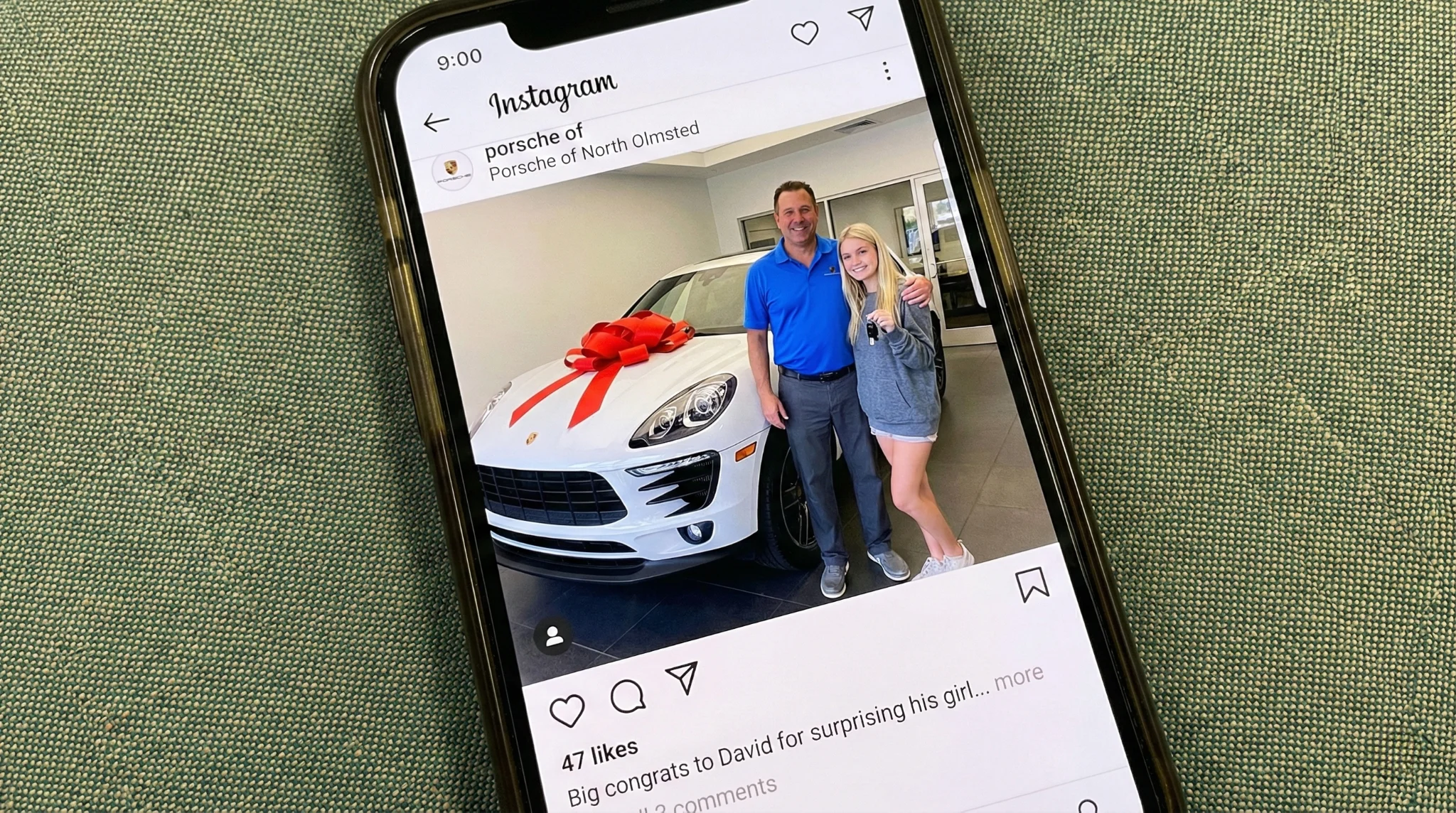
My hands shaking, I searched the dealership on Instagram and found the post from yesterday. My husband wasn't at a conference. My heart dropped the moment I saw exactly where our life savings had gone…
The image on the dealership’s page was crystal clear. This wasn't a bank error; it was a deliberate, surgical strike against our family's future. I felt a cold, sharp clarity replace the panic.
David was standing next to a white Macan with a giant red bow, handing the keys to a 24-year-old blonde woman.
I didn't waste time staring. While Leo was being settled into his room, I called the bank's security department. The representative revealed a timeline that turned my shock into cold realization.
This wasn't an impulse buy. David had called the bank three days ago to temporarily raise the daily wire transfer limit.
Then, yesterday morning, he logged in and manually disabled the "large transaction" email alerts so I wouldn't be notified when the money left the account. The records showed the transfers were prepared in advance.
I sat in the hospital's dark waiting area and dug into our shared digital files. Under a hidden folder in our cloud storage, I found a digital paper trail he had neglected to scrub. He had been funneling money into a separate PayPal account for months, disguised as "Consulting Fees."
There were receipts for a high-end apartment lease in Cleveland and jewelry purchases dating back to last summer. He hadn't just bought a car; he had been building a parallel life while I was budgeting for groceries.
I went back to the Instagram post and clicked on the tagged profile of the woman, Emily. She wasn't hiding anything. Her stories showed them checking into a luxury suite at the Ritz-Carlton in Cleveland—three hours away from where he was supposed to be.
She captioned a video of the room service: "Finally celebrating us without sneaking around." The timestamp confirmed they checked in at 4:00 PM yesterday, just two hours after the wire transfer.


David finally called back at 7:30 PM. I could hear the distinct hum of a restaurant in the background. "Hey honey, meetings just wrapped up. I'm utterly exhausted, heading straight to the hotel bed."
He was lying to me while his son was recovering in a hospital bed. I gripped the phone tight. "Everything is fine here. The boys are asleep. Get some rest."
I needed him to feel safe. If I confronted him now, he would drain the remaining joint checking account before morning.
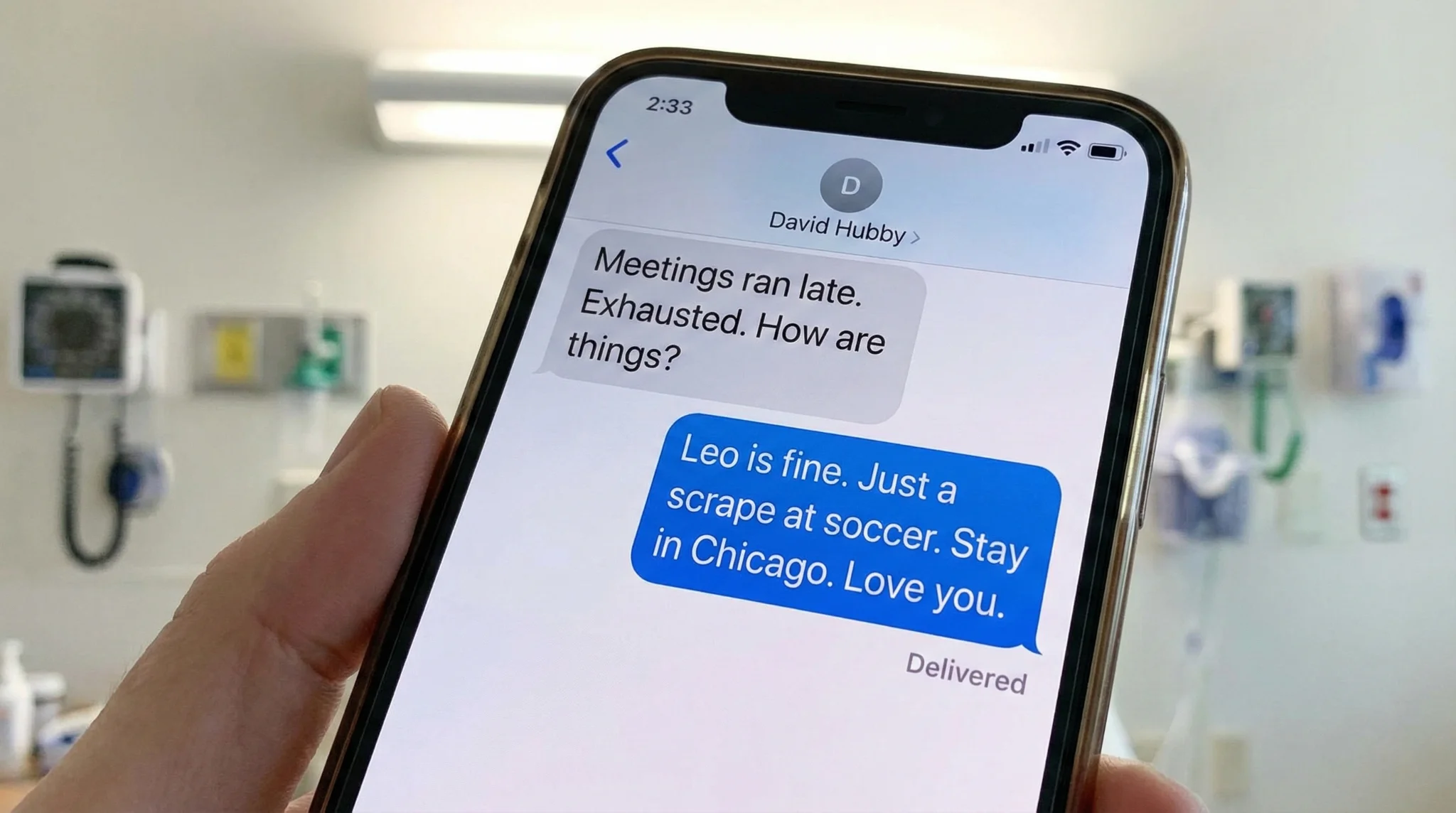
"I’m doing this all for you and the kids, Sarah," he added, his voice dripping with practiced sincerity. "This Chicago deal is going to change everything for us." The gaslighting was so precise it made my skin crawl.
He was using the very "work" he wasn't doing to explain the exhaustion he wasn't feeling. I realized then that David didn't just have a girlfriend; he had a completely different personality, one capable of watching his family’s safety net vanish without a second thought.
By 10:00 PM, the "Flying Monkeys" began their work. David’s sister texted me, claiming she had heard I was "acting erratic" about the finances again. "David is so stressed trying to provide," she wrote. "You really should trust him.
You're going to push him away with this jealousy." He had already poisoned the well, painting me as the unstable wife to ensure his family would side with him.
I also discovered he had restricted my access to our primary homeowner's insurance portal and changed the recovery email for our cellular plan.
It was a classic move of Weaponized Help—controlling the infrastructure of my life under the guise of "handling the boring stuff." He wanted me isolated and silent, basically stuck if I ever tried to leave.
I spent the night in the hospital chair, but I didn't sleep. I emailed my cousin, a family law attorney, and attached the bank logs, the wire transfer authorization, and the screenshots of his "business trip."
By 8:00 AM, she had filed an emergency motion for a Temporary Restraining Order to freeze all remaining marital assets. Because he had drained shared funds for a partner during a medical crisis, the judge granted an immediate lien on the Porsche.
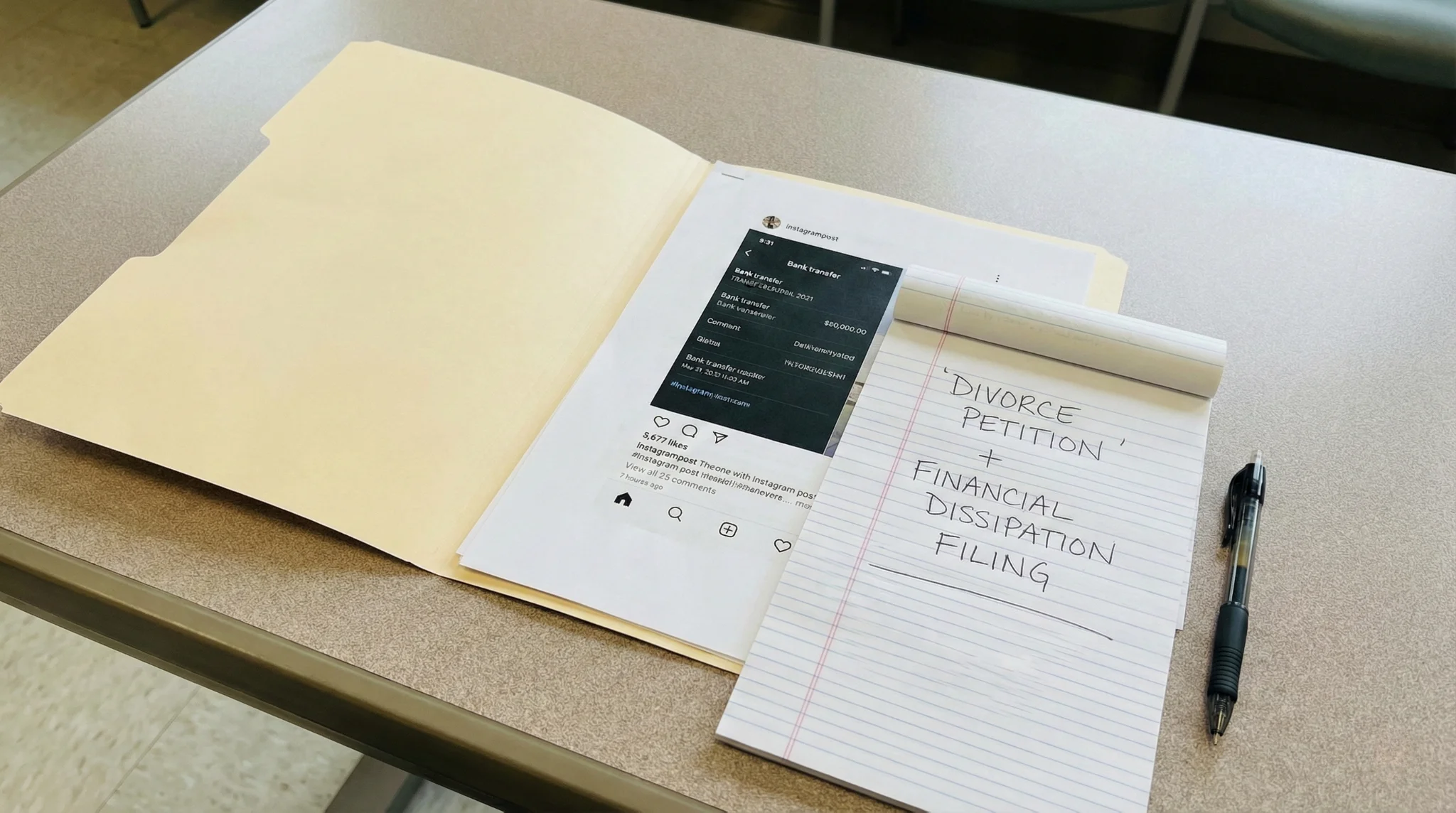
This was my Nuclear Revenge. While David was likely ordering breakfast in bed, I was working with my attorney to serve papers not just to him, but to the dealership and the hotel.
I provided the hospital’s billing department with evidence of his financial misconduct, making sure they knew exactly where the funds for Leo’s operation had gone. I wasn't just ending a marriage; I was taking apart the lie he had built.
David is driving home right now, thinking he’s returning to a wife who believes he’s been working hard. Instead, the locks are changed, and a process server is parked in our driveway with the divorce petition and the freezing order.
He thinks that Porsche belongs to Emily. But legally, since he used shared funds, the court will determine how that asset is used to cover family obligations. He traded his family for a joyride, and now he has to face the reality of what that choice cost him.
I am watching the doorbell camera from my phone in the hospital room. I see his Honda pull into the drive. He looks relaxed, adjusting his tie in the rearview mirror.
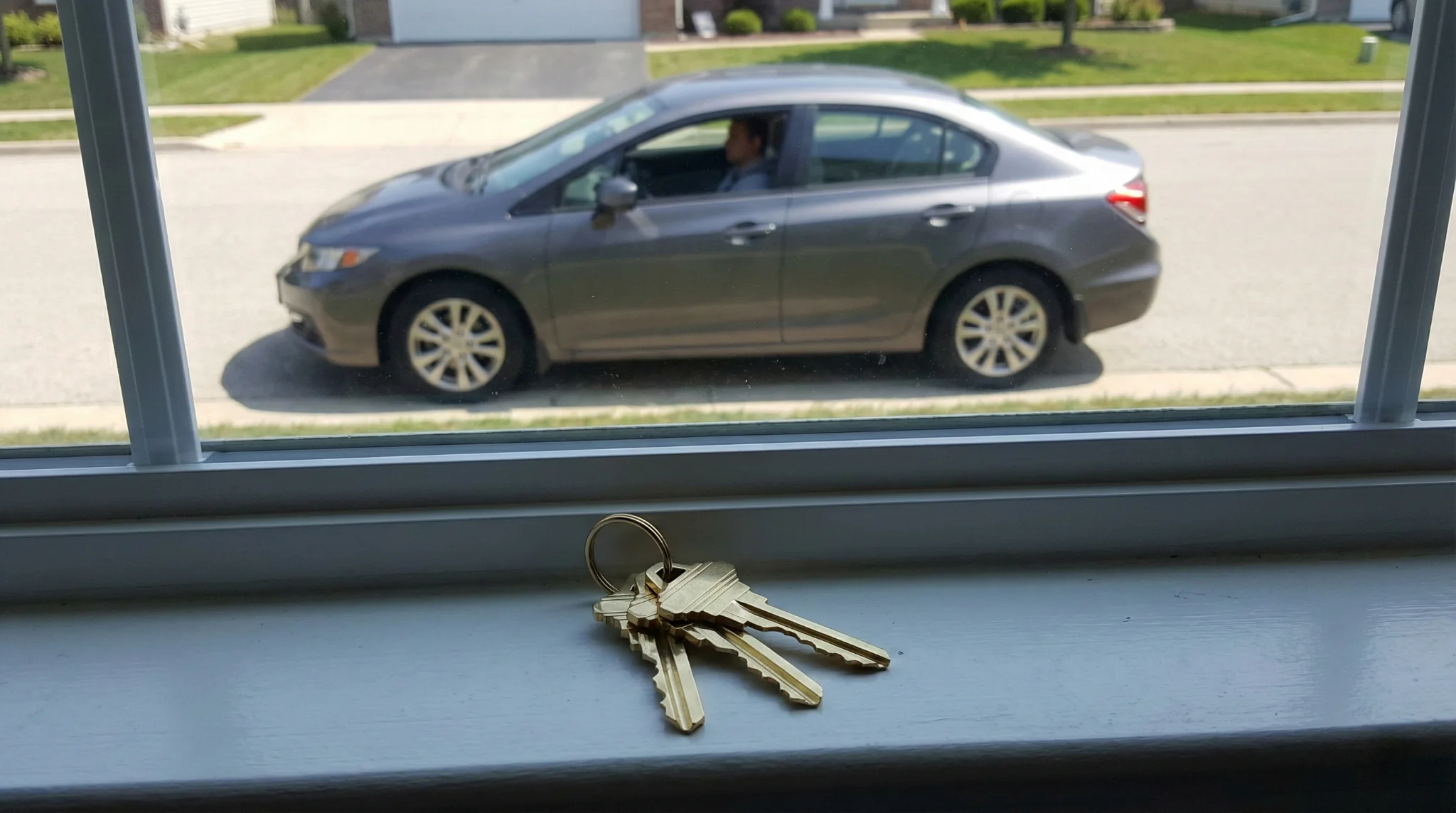
He walks up to the door, inserts his key, and the confusion on his face when it doesn't turn is the most honest emotion I’ve seen from him in years.
He doesn't know that the white Macan he's so proud of is already flagged as a contested asset. He’s calling my phone now. It’s vibrating on the bedside table next to my sleeping son.
I won't answer. I have fourteen dollars and twenty-two cents in my name, but for the first time in a decade, I am not being managed.
How does a man decide that a car is worth more than his son’s safety? Does he think Emily will stay when the court orders that car to be sold to pay for the very procedure he tried to avoid funding?
He’s about to find out that "financial freedom" works both ways.
You can see this in the series The Wedding Truth Bomb, where one image makes everything crystal clear and destroys the version of reality someone tried to maintain.
Did I go too far by locking him out while he’s miles from home, or is this the only logical response to a man who left his child on a stretcher to buy a toy for his partner?
Related Posts

The 4-Year Curse: My Son Finally Learned Why I Seemed Like a Strict Karen
My Son Called Me a Karen and Moved Out – 4 Years Later He Learned the Scary Reason I Was So Strict

I Thought My Wife Was Being Unfaithful. Then Her Cancer Doctor Called.
I Filed for Divorce After Finding Hotel Receipts and a Secret Phone – Then the Oncologist Looked at Me and Said My Partner Was Not Unfaithful, She Was Very Sick

I almost left the man who built my dream house
I Thought My Husband Was Seeing Someone Else for Months After Finding Hotel Receipts and Missing Money – When I Was Ready to Leave Him, He Took Me to a House I Never Knew Existed

My Wife Has Given a Dollar to Every Homeless Person She's Ever Passed — Last Week, a Lawyer Knocked on Our Door and Said She'd Inherited a Stranger's Entire Estate
Last Tuesday evening a lawyer stood on my porch and told me my wife of eleven years had just inherited an entire estate from a man who had passed away, someone we had never heard of. For one terrifying second I thought it was a scam, or worse — some kind of lawsuit we couldn’t afford. Then he said the man’s name: Walter Fitch. And my wife Renee started crying before she even opened the letter.