

My Child Became a Parent at 17 - and When He Finally Admitted It Was on Purpose
The call came on a Tuesday afternoon. Bree’s mother started to cry: “Your son got my daughter pregnant!” I remember staring at the sink like the world had tilted sideways. My first thought was panic. My second was anger. Teenagers make mistakes. I was ready to handle a mistake.
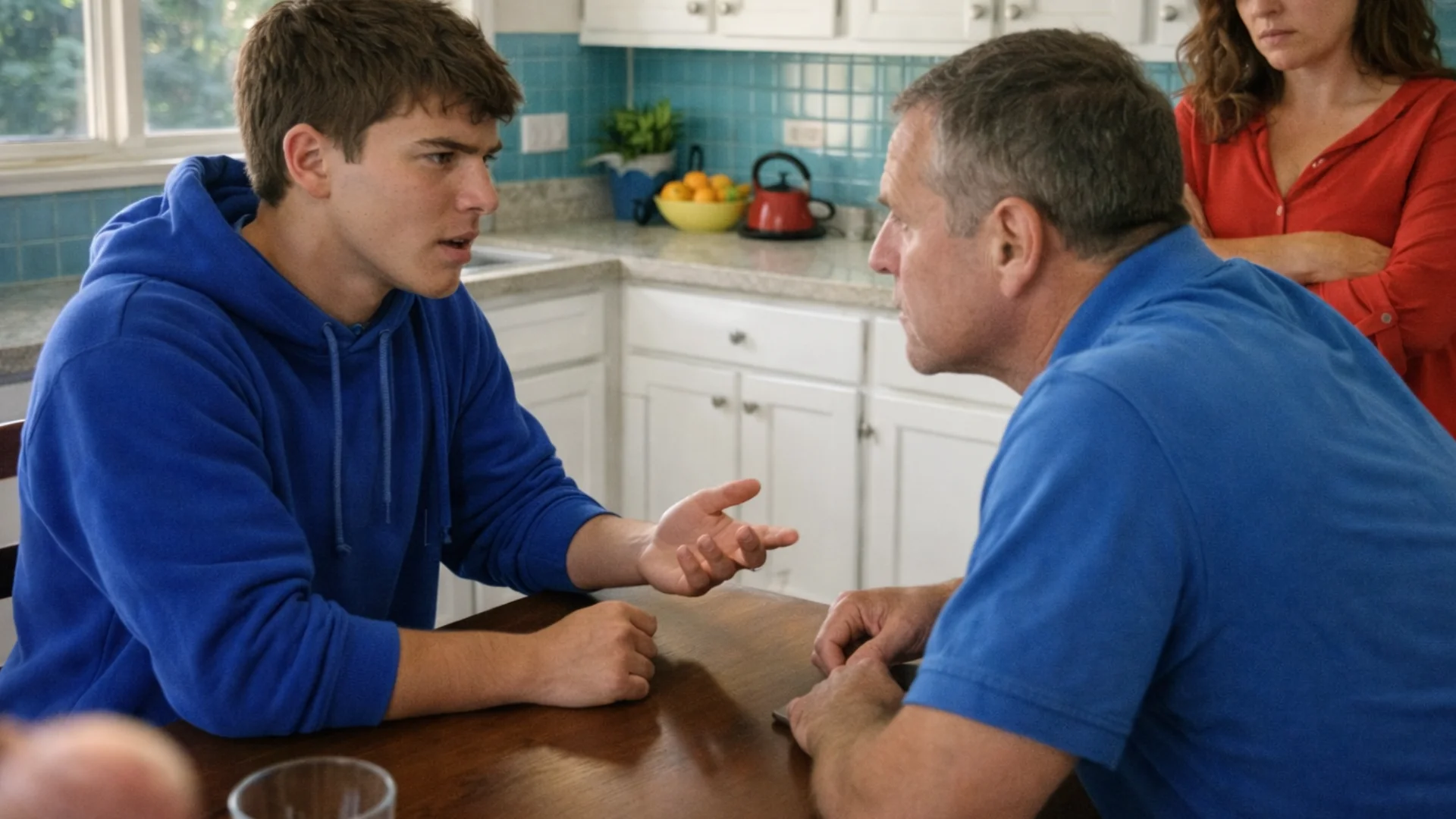
That night Ethan sat across from us at the kitchen table. His hands weren’t shaking. His voice wasn’t breaking. That scared me more than if he’d been sobbing. I asked him straight. “Was this an accident?” He looked at me and said, “No, mom” My husband leaned forward. “Explain!” “You planned this?”
I asked again. “Yes.” No hesitation from his side. I stood up so fast my chair scraped across the tile. I told him he had no idea what he’d done. I told him he’d wrecked his future. I told him he wasn’t mature enough to decide something permanent. He didn’t argue.
He just said one sentence that made my stomach drop: “I’m not losing this too.” Too. That word hit harder than the pregnancy. Because what exactly had he already lost? And why would a seventeen-year-old decide a baby was the solution? That’s when I realized this wasn’t about irresponsibility. It was about something much darker…
Two years ago, Ethan’s younger brother passed away. He was thirteen. It was sudden. One day we were planning a birthday dinner, and the next we were planning a funeral. The house didn’t just feel quiet after that. It felt hollowed out. Ethan changed immediately.
He started sitting in his room with the door closed. We thought he was grieving in his own way. Then, within a year, my father passed. Three months after that, my mother followed. Three funerals. Three sets of condolences.
Three empty chairs at family gatherings. Ethan never cried in front of us. But he started saying strange things. “Families shrink.” “People leave.” “It always ends the same.” When Bree told him once that she wanted a big family someday, something inside him latched onto it.
He later admitted they joked about having a baby at first. Then the jokes became discussions. Then discussions became intention. He told me that after his brother left the world, the house felt like it was dissolving. After his grandparents passed, he felt like people could just vanish whenever they wanted.
“I’m tired of watching people disappear,” he said quietly. He wasn’t chasing adulthood. He was trying to create permanence. That realization did not make me softer. It made me more unsettled. Because of grief I can understand. But turning grief into a life-altering decision? That’s different.



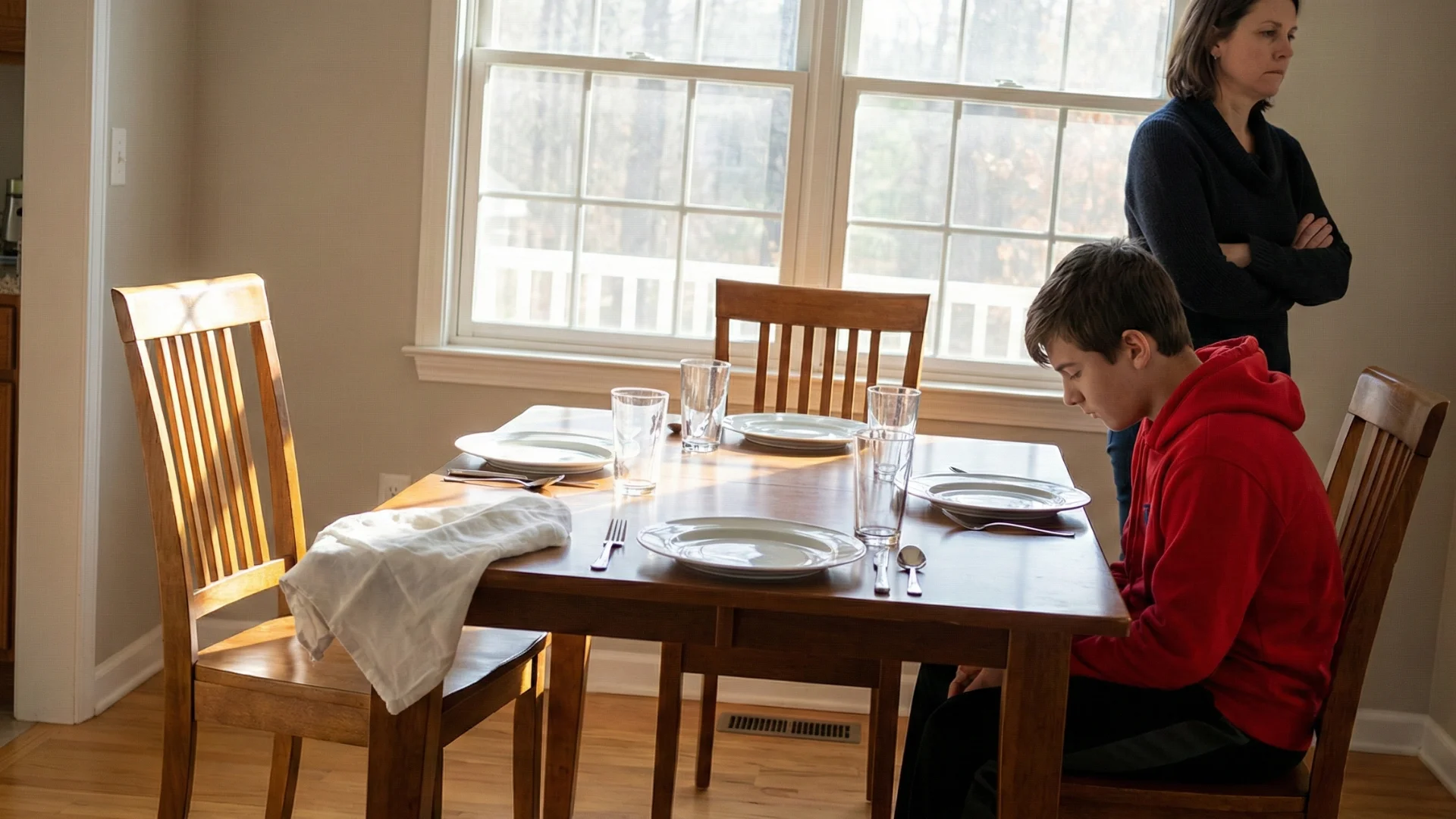
We didn’t immediately pivot to support. We were still angry. I told him flatly that trauma does not excuse recklessness. I told him babies are not insurance policies against death. He didn’t argue. He just said, “I know. But I can’t sit at another empty table.” That sentence stayed with me.
Bree’s parents eventually stopped yelling and started negotiating. They were scared too. She is nineteen. She has college plans. This wasn’t in anyone’s timeline. We sat down together—both families—and laid out reality. No romantic illusions. No fantasy version of parenthood. If this baby was coming, structure would come first.
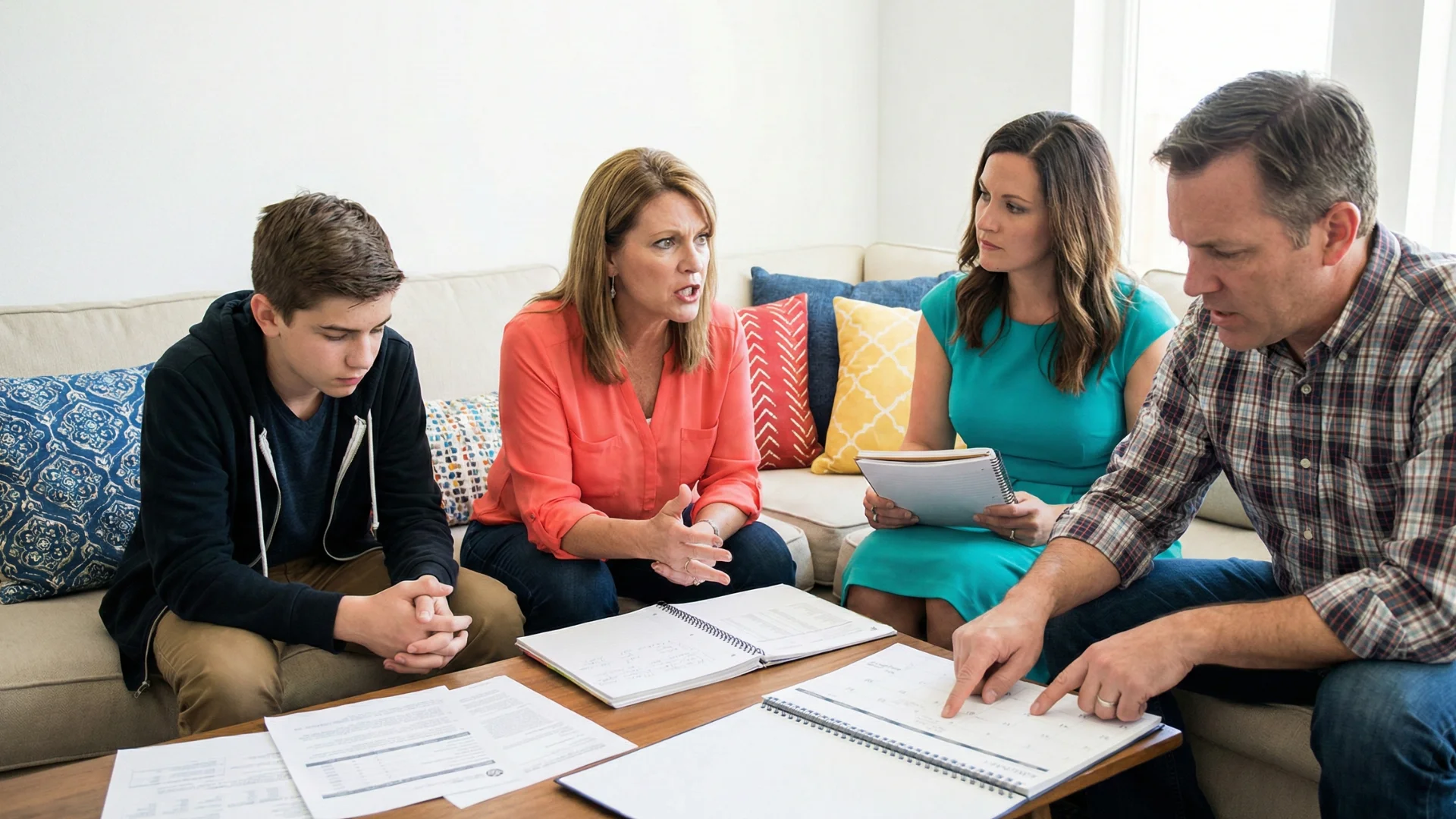
Therapy started immediately for both of them. Not optional. Weekly sessions. Ethan got a part-time job within two weeks. Every paycheck—half into savings. No excuses. No moving in together. No playing house. School attendance monitored daily. Grades reviewed weekly. We opened a separate account designated for future expenses. Not symbolic money. Real contributions.
I told him clearly: “If you chose this because you wanted permanence, then permanence means showing up every day. Not just when it feels meaningful.” He nodded. There was no dramatic transformation. No sudden maturity glow. He is still seventeen. He still forgets laundry in the dryer. He still leaves dishes in the sink.
But he hasn’t missed a therapy appointment. He hasn’t missed a shift at work. He hasn’t once suggested backing out. The anger I felt in the beginning hasn’t disappeared. It has changed shape. Now it sits beside fear. Because what unsettles me most is not that he became a father young.
It’s that he believed creating life would protect him from more loss. I don’t know if that belief will shatter one day. I don’t know if he will look back at seventeen and feel regret. I don’t know if Bree will resent the weight of this decision later. What I know is this:
This wasn’t stupidity. It wasn’t manipulation. It wasn’t rebellion. It was a boy who lost too much, too fast, and decided the only way to stop shrinking was to build something bigger. And that is far more complicated than an “accident.” I still remember the first night he said it wasn’t a mistake.
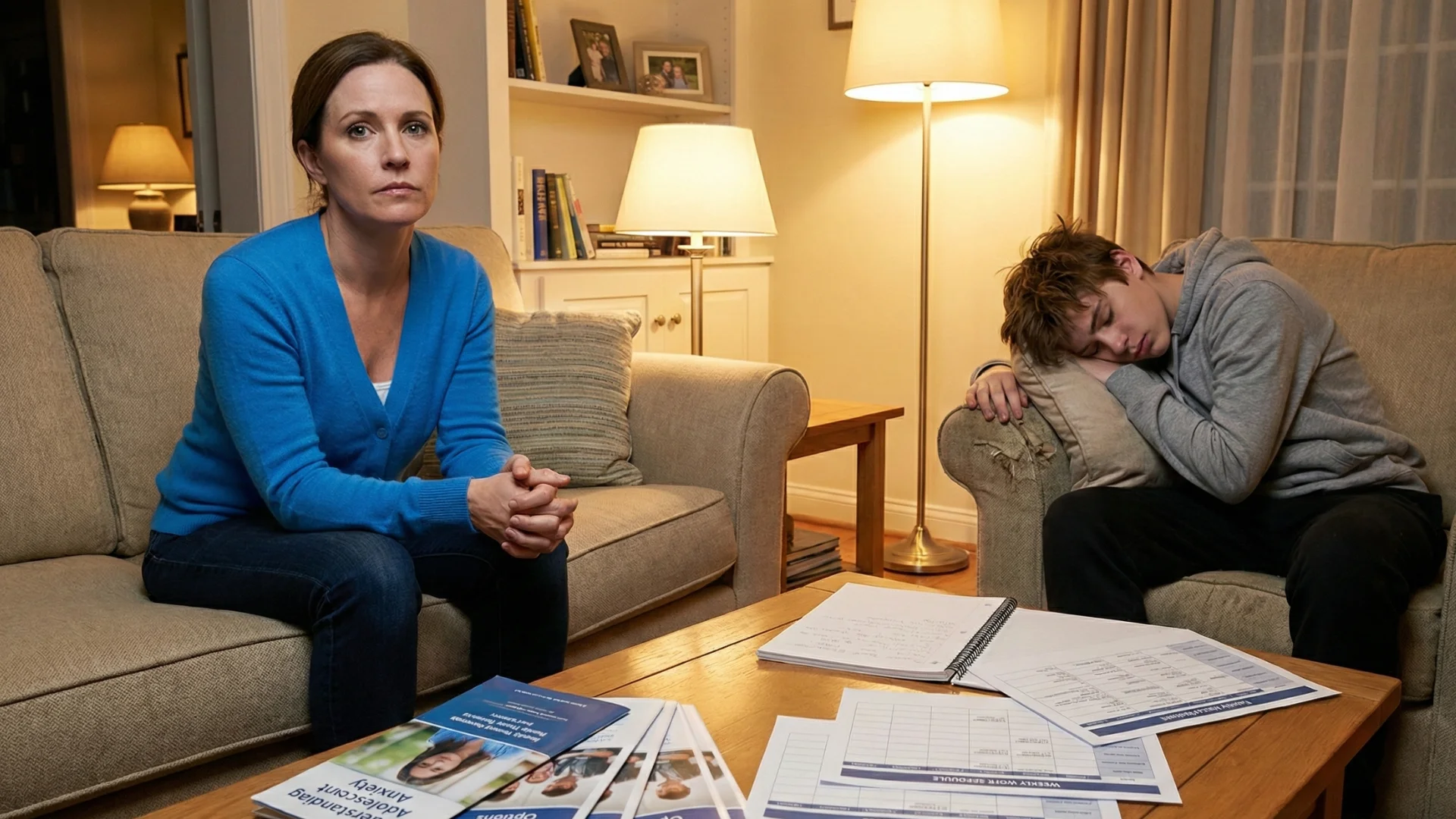
The way the room felt like it tilted. The way my whole body went cold. Because I realized in that moment—my son hadn’t just crossed into adulthood recklessly. He had tried to outrun grief. And now we’re all living with the consequences of that choice.
So tell me honestly—If your child tried to build permanence because he couldn’t survive another loss. Would you still see only irresponsibility? Or would you see the fear underneath it?
Related Posts

The 4-Year Curse: My Son Finally Learned Why I Seemed Like a Strict Karen
My Son Called Me a Karen and Moved Out – 4 Years Later He Learned the Scary Reason I Was So Strict

I Thought My Wife Was Being Unfaithful. Then Her Cancer Doctor Called.
I Filed for Divorce After Finding Hotel Receipts and a Secret Phone – Then the Oncologist Looked at Me and Said My Partner Was Not Unfaithful, She Was Very Sick

I almost left the man who built my dream house
I Thought My Husband Was Seeing Someone Else for Months After Finding Hotel Receipts and Missing Money – When I Was Ready to Leave Him, He Took Me to a House I Never Knew Existed

My Wife Has Given a Dollar to Every Homeless Person She's Ever Passed — Last Week, a Lawyer Knocked on Our Door and Said She'd Inherited a Stranger's Entire Estate
Last Tuesday evening a lawyer stood on my porch and told me my wife of eleven years had just inherited an entire estate from a man who had passed away, someone we had never heard of. For one terrifying second I thought it was a scam, or worse — some kind of lawsuit we couldn’t afford. Then he said the man’s name: Walter Fitch. And my wife Renee started crying before she even opened the letter.